HEOR – Health Economics and Outcomes Research: Transforming Healthcare Decision-Making

HEOR : In the ever-evolving healthcare landscape, the field of Health Economics and Outcomes Research (HEOR) has emerged as a crucial discipline to bridge the gap between clinical trials and real-world healthcare outcomes. While clinical trials provide essential data on the efficacy of medical treatments, they often fall short of capturing real-world effectiveness and cost burdens. HEOR fills this void by utilizing real-world data to inform healthcare decision-making, leading to a more patient-centered approach.
The Role of HEOR in Healthcare Decision-Making:
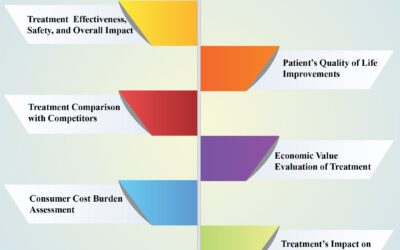
HEOR plays a vital role in answering important questions that help guide healthcare decision-makers. By utilizing real-world data, addresses queries such as ongoing treatment efficacy, comparative effectiveness, cost burden on consumers, impact on patient’s quality of life, economic value, and health outcomes. It ensures that the most reliable real-world evidence is used to inform healthcare treatment options, going beyond mere drug efficacy and delving into the overall value of different treatment options.
Applications of HEOR Data:
HEOR data serves various purposes in the healthcare ecosystem. Regulating agencies increasingly rely on data to inform their discussions and decisions, moving away from relying solely on clinical trials. Data assists healthcare payers in determining treatment effectiveness within their populations and informs reimbursement decisions. It also aids in expanding label claims with regulatory bodies like the US Food and Drug Administration (FDA) and supports health technology assessments, providing valuable information on the benefits and values of specific treatments. Additionally, data helps generate evidence to support marketing strategies and offers insights into predictors of diseases and disease trends through longitudinal analysis.
Real-World Evidence and Patient-Centered Outcomes Research:
Real-world evidence (RWE) has gained prominence in recent years, with regulatory bodies like the FDA acknowledging its significance. HEOR utilizes real-world data to evaluate treatment effectiveness and safety among real patients. Patient-Centered Outcomes Research (PCOR) captures qualitative data on how drugs and treatments impact patients’ lives, including patient-reported outcomes (PRO) and patient-reported outcomes measures (PROM). These tools enable the inclusion of the patient’s voice, providing valuable insights into the overall treatment experience.
Collaborative Players in HEOR:
It involves collaboration between multiple stakeholders, including healthcare providers, payers, pharmaceutical companies, regulators, nonprofit organizations, healthcare professionals, patients, and caregivers. This interdisciplinary collaboration ensures a comprehensive and holistic approach to healthcare decision-making.
Types of HEOR Research Studies:
It encompasses various types of research studies, including cost-effectiveness analysis, economic models, evidence-generation planning, clinical/claims database analyses, retrospective chart reviews, and patient-centered outcomes research. These studies utilize diverse sources such as medical records, insurance claims, and patient surveys to evaluate the performance of treatments globally.
Current Trends in HEOR:
Several trends are shaping the future of HEOR. The acceptance of RWE by regulatory agencies has elevated the role of HEOR in post-market coverage decisions and FDA label expansion. Advancements in technology, such as wearables and other devices, enable the collection and analysis of vast amounts of health data, facilitating better-informed drug development and market access strategies. Furthermore, there is a growing focus on health equity, healthcare financing, patient engagement, and the use of artificial intelligence and advanced analytics.
The Importance of Evidence Generation and Value Assessment:
HEOR addresses evidence gaps through robust analysis and planned communications, ensuring the availability of sufficient evidence to support treatment decisions. Value assessment in HEOR goes beyond cost analysis, incorporating PRO and the perspectives of healthcare providers, payers, caregivers, and other stakeholders. Tools like health technology assessment (HTA) aid reimbursement decisions and highlight the value of treatments from different perspectives.
Conclusion
HEOR is a crucial discipline that bridges the gap between clinical trials and real-world healthcare outcomes. It utilizes real-world data to inform healthcare decision-making, providing insights into treatment efficacy, cost burdens, patient experiences, and overall value. The applications of data are diverse, ranging from regulatory discussions and reimbursement decisions to marketing strategies and disease trend analysis. Collaborative efforts among stakeholders ensure a comprehensive approach to healthcare decision-making, while the inclusion of RWE and PCOR enhances the understanding of treatment effectiveness and patient experiences. Ultimately, evidence generation and value assessment in HEOR contribute to well-informed treatment decisions and improved healthcare delivery.
At WorkSure®, we specialize in providing comprehensive HEOR services to support evidence-based decision-making. Our team of experts focuses on various key areas such as identifying unmet therapeutic value, understanding disease burden, assessing epidemiology, evaluating comparative effectiveness, and analyzing budgetary impact. By determining the economic consequences of therapeutic interventions, we offer strategic vision and drive decision-making processes, including pipeline strategy and product value narratives for both internal and external stakeholders. With a deep understanding of clinical and economic insights, we develop and effectively communicate a tailored evidence-generation framework that takes into account market nuances, the specific needs of key stakeholders, and the unmet needs of patients.