Medical Communication: A Modern Tool to Translate Knowledge into Practice

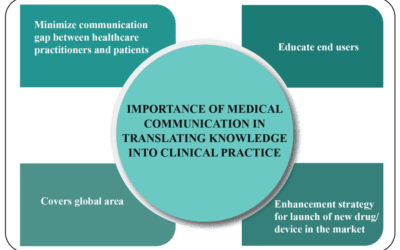
Medical communication is an essential component of modern healthcare, bridging the gap between complex scientific data and practical understanding for healthcare professionals, patients, and stakeholders. In clinical trials, where accuracy and protocol are paramount, success is also dependent on how effectively information is conveyed. Whether through educational tools, regulatory submissions, or scientific publications, medical communication ensures that medical knowledge is translated into actionable insights.
With growing globalization and diverse patient populations, healthcare providers increasingly rely on both professional communication strategies and technology-driven tools to overcome language and comprehension barriers. Among these, machine translation tools have gained traction as supportive aids, especially when professional interpreters are unavailable. While initially developed for basic text conversion, machine translation has evolved through advanced algorithms to manage more complex medical language tasks.
Automatic translation tools, though limited in nuance, are becoming commonplace in multilingual healthcare settings. However, they are only one part of the broader medical communication ecosystem. The accurate and responsible transfer of medical information remains under the guidance of skilled professionals, particularly in pharmaceutical and clinical research sectors, where medical communicators play a central role.
Medical Communications (MedComms) agencies specialize in developing tailored content that meets the needs of specific audiences—be it clinicians, regulatory bodies, or patients. These materials vary in complexity and purpose but share the common goal of effectively disseminating scientific knowledge.
The creation of such content is a collaborative effort involving medical writers, data analysts, and creative designers. Together, they produce peer-reviewed manuscripts, CME literature, slide kits, mass mailers, posters, Q-cards, product leaflets, and other customized educational materials. These tools are often part of broader strategies to support the launch and promotion of new medicines and healthcare technologies.
For prescription medications, which are not permitted to be advertised directly on social media platforms, physicians play a key role in relaying product information. On the other hand, over-the-counter (OTC) drugs are more accessible to the public without the need for medical consultation. This contrast further emphasizes the importance of medical communication in supporting informed healthcare decisions.
The growing reliance on MedComms agencies highlights the value they bring in ensuring clarity, compliance, and relevance across all forms of communication. By delivering accurate and accessible content, these professionals contribute to better engagement, understanding, and ultimately, improved health outcomes.
Summary
Medical communication is vital in healthcare, transforming scientific data into accessible formats for a wide range of audiences. In clinical research, the success of trials depends not only on precision but also on effective communication. With rising demand for multilingual support, machine translation tools are being used to supplement professional communication efforts.
Medical communication professionals—especially those in MedComms agencies—play a crucial role in bridging gaps between scientific data and user understanding. They create a wide range of materials, including scientific articles, educational brochures, and promotional tools, tailored to the audience’s needs.
WorkSure® provides integral support to healthcare professionals and organizations, specializing in the promotion of new therapies, medical devices, and pharmaceutical products. Our expert medical writers, data analysts, and creative designers develop high-quality scientific documents that are compliant, customized, and impactful. WorkSure® is committed to enhancing medical communication, helping to improve outcomes across the healthcare spectrum.